Tooth loss can happen for many reasons, including decay, injury, or gum disease. Missing teeth can not only lead to difficulties with eating and speaking, but also impact self-esteem.
Following the placement of dental implants by a qualified oral surgeon or periodontist, our detail-oriented Newport Beach dentists – Lance Alder, DDS and Jacob Barton, DDS – frequently create durable, lifelike abutments and crowns to complete the implant treatment. Due to the multitude of benefits that dental implants can deliver, Dr. Alder and Dr. Barton prefer to use this method to replace missing teeth whenever possible. Give us a call today so that we can get you back to smiling… with teeth!
Dental Implants vs. Crowns
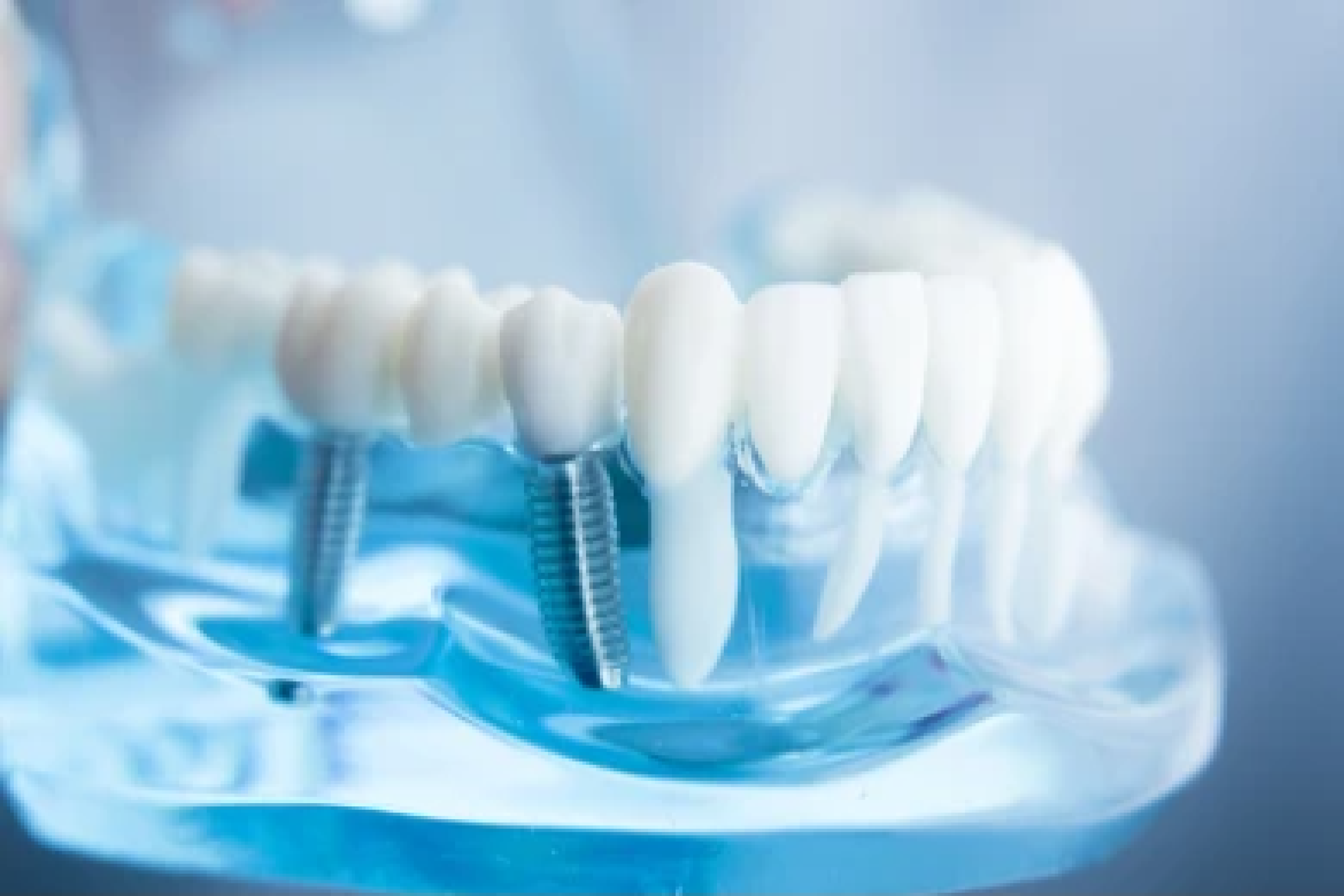
While both dental implants and crowns are commonly used in restorative dentistry, they serve different purposes. Specifically, a crown (or “cap”) is designed to cover a damaged, weakened, or aesthetically imperfect tooth and restore its shape, strength, and appearance. A dental implant, on the other hand, serves as a replacement for an entire missing tooth – from root to crown. For patients who have lost a tooth entirely, a dental implant can provide a longer-lasting, more stable solution than a crown alone.
Complementary Procedures to Dental Implants
At Newport Beach Dental, we often combine dental implants with other treatments to help patients achieve the most natural-looking, confident smile possible. For example, professional teeth whitening can brighten your natural teeth so your new implant blends in beautifully with your smile. Alternatively, porcelain veneers can fix chips, gaps, or discoloration in nearby teeth, giving your whole smile a more even, polished look. If you’re interested in straightening your teeth, we also may recommend starting with Invisalign® before moving forward with your implant placement.
No matter your unique case, our compassionate dentists take a comprehensive, personalized approach. We always aim for final results that are both functional and aesthetically balanced.
What Does the Dental Implants Procedure Involve?
Before you visit our practice, an oral surgeon or periodontist will place the implant in the needed area. The implant should take approximately three to six months to fuse to the jawbone in a process called “osseointegration.”
Once the area has completely healed and the implant integrated, you’ll come to our office to have the abutment and dental crown placed. Our team will use digital impressions systems to customize the shape, size, and shade of your crown. Your new tooth should feel and look just like your natural teeth, and no one should be able to tell the difference!
Where Science Meets Art…
“I have been coming to the office 24 years and have had four implants, several veneers, and over 4 crowns. I have had all my fillings replaced and find the white fillings more esthetic. I am very pleased with all my results.”
– JOY F.
What Is Recovery Like After Dental Implants?
After the implants are placed and the process of osseointegration begins, you may experience some bleeding, swelling, bruising, or tenderness. These effects are normal and typically fade by the end of recovery. You may be prescribed pain medication to manage discomfort. If you have any questions about the dental implant healing process, feel free to get in touch with our team.
How Long Do Dental Implants Last?
Designed to be a permanent replacement for teeth, implants can last for several decades when crafted and placed by a qualified dentist.1 To reap the full benefits of your implants and keep them in prime condition, it’s essential that you practice good dental hygiene and consistently attend cleanings and exams.
Choosing an Implant Dentist
When it comes to the placement of implants, abutments, and crowns, selecting the right dental professionals is an important first step. Each provider should have the proper educational and training background; a record of successful procedures; and a stellar reputation among patients and peers. For a preview of the kind of results you can expect from a dentist, it’s often helpful to look at his or her smile gallery and patient testimonials.
Dr. Lance Alder and Dr. Jacob Barton each bring years of experience and passion for helping patients restore their smiles. Known for their attention to detail and patient-focused care, our dentists take the time to create personalized treatment plans that fit each individual’s needs. If you’re considering dental implants, Dr. Alder or Dr. Barton – as well as the rest of our team – will be thrilled to guide you through the process.
Additional FAQs about Dental Implants
Are dental implants safe?
Dental implants are generally very safe in the hands of a skilled and experienced dentist. To minimize risks, it’s important to select reputable providers. Practicing excellent oral hygiene is also critical for preventing potential complications, such as infection or implant failure; please keep in mind, however, that these issues are rare when proper care and precautions are taken.
Do dental implants look natural?
Dental implants are designed to look – and feel! – identical to your natural teeth. The implant itself acts as a replacement for the tooth root, while the restoration – such as a crown – is crafted to match the color, shape, and size of your surrounding teeth.
What can I eat with dental implants?
One of the key benefits of dental implants is that they function like natural teeth, which means you can generally enjoy a wide variety of foods while they’re in place. During the initial healing phase, you may feel best sticking to a soft-food diet (e.g. yogurt, mashed potatoes); however, as you get used to the restorations, you should be able to gradually return to a regular diet.
Can I smoke after getting dental implants?
Smoking after dental implant surgery is strongly discouraged. Nicotine restricts blood flow, slows healing, and increases the risk of implant failure. Smoking can also impair the fusion between the implant and bone (a process known as osseointegration), which is critical for long-term success.
How do dental implants compare to dentures or bridges?
When created and placed by experienced dental professionals, dental implants can provide several advantages over traditional dentures and bridges. Unlike removable dentures, implants are fixed in place and function much like natural teeth, offering superior stability, chewing power, and comfort. What’s more, implants typically last much longer (often decades or more) when properly cared for. While dentures and bridges may require periodic adjustments or replacements, implants are designed as a more permanent solution.
What is implant failure?
Implant failure occurs when the dental implant does not properly integrate with the jawbone or becomes unstable after healing.2 While rare, failure can result from several factors, including infection, insufficient bone support, poor oral hygiene, or smoking. Early signs of implant failure may include persistent pain, swelling, mobility of the implant, or gum recession around the site. Thankfully, however, the risk of implant failure is low with proper planning, skilled surgical placement, and good post-operative care.
Newport Beach Dental is happy to help you with your dental restoration. To learn more about dental implants or our numerous other restorative options, contact our practice today.
Medical Resources
Healthline 1
National Library of Medicine 2